Cancer Medicine Prices in India: Will the 30% Trade-Margin Cap Bring Relief to Patients?
India moves to curb excessive mark-ups on non-scheduled cancer medicines, but will lower trade margins translate into genuinely affordable treatment?


By PharmaNation Editorial Desk | 15 October 2026
For a family dealing with cancer, the cost of treatment can become a second battle—one fought alongside the disease itself. Expensive medicines, repeated hospital visits, diagnostic tests and prolonged treatment can place enormous pressure on household finances.
Against this backdrop, the Indian government’s decision to approve a 30% trade-margin cap on identified non-scheduled anti-cancer medicines is a significant pharmaceutical policy development.
Announced on 8 October 2026, the measure is intended to address excessive mark-ups in the cancer-drug supply chain. The government estimates that the intervention could help patients save approximately ₹2,500 crore annually.
However, the real question is not simply whether medicine prices will fall. It is whether this intervention can make cancer treatment more affordable while ensuring that essential medicines remain consistently available.
1. What has the government decided?
The National Pharmaceutical Pricing Authority (NPPA) has approved, in principle, a trade-margin rationalisation measure under Paragraph 19 of the Drugs (Prices Control) Order, 2013.
The proposal targets identified non-scheduled anti-cancer medicines, which are not already subject to the same scheduled-medicine ceiling-price mechanism.
According to government statements and industry reporting, the proposed intervention will cap trade margins at 30% of the maximum retail price (MRP) for medicines covered by the measure.
The coverage is intended to extend across branded and generic medicines, domestically manufactured and imported products, and patented and non-patented medicines.
An expert committee under the Directorate General of Health Services (DGHS) is responsible for recommending the list of medicines to be included. The NPPA will subsequently take the necessary steps towards implementation.
An important distinction: approval of the policy does not mean every cancer medicine has already received a revised price. The final coverage list and applicable notification must be checked before making pricing or procurement decisions.
2. Why is this intervention necessary?
The government’s decision follows concerns about substantial mark-ups on certain non-scheduled cancer medicines.
NPPA's analysis cited in the policy discussions found that average trade mark-ups in this segment were approximately 170%, with some reportedly reaching 700% or more.
Such figures indicate the potential gap between a medicine's acquisition cost and the price charged further along the supply chain. However, a trade mark-up is not the same as net profit: operating expenses, discounts, logistics and other costs also matter.
The policy aims to curb excessive margins and improve transparency in medicine pricing.
The government expects the intervention to reduce the MRP of affected medicines by approximately 20–70%, depending on existing pricing structures and mark-ups.
These are projected reductions, not a uniform discount applicable to every cancer drug.
3. What does this mean for patients?
The potential benefit is straightforward: where excessive trade margins contribute significantly to a medicine's final price, reducing those margins may lower the amount patients pay.
Even a substantial reduction in the price of a frequently required medicine could help families manage treatment expenses.
The government estimates annual patient savings of around ₹2,500 crore. The actual benefit will depend on the medicines included, their revised prices, market availability and how the policy operates across different purchasing channels.
There is also an important limitation. Reducing trade margins cannot, by itself, make every expensive cancer medicine affordable.
For some patented or advanced biologic therapies, the underlying acquisition price may account for a large part of the final cost. Other measures—such as competition, appropriate reimbursement, public healthcare support and improved access to suitable treatment alternatives—may also be necessary.
4. What should wholesalers and pharmacies watch?
For pharmaceutical distributors, stockists, hospital pharmacies and retailers, this development deserves close attention.
Once the applicable list and notification are issued, businesses dealing in covered medicines should verify revised MRPs, purchase costs, invoicing requirements and the treatment of existing inventory.
They should also monitor official NPPA communications rather than relying exclusively on social media reports or informal price lists.
Manufacturers will need to comply with applicable pricing directions, while supply-chain participants should ensure that revised prices are reflected accurately wherever required.
The government has also emphasised maintaining production levels to help prevent the price intervention from disrupting the availability of these medicines.
For wholesalers, the practical priority is to maintain accurate product-level records and avoid purchasing decisions based on assumed future margins or unconfirmed price changes.
5. India has tried this before
This is not the country's first intervention targeting excessive margins on cancer medicines.
In February 2019, the government introduced a trade-margin rationalisation measure covering 42 selected non-scheduled anti-cancer drugs. Official figures cited in the latest policy announcement indicate that MRPs fell by as much as 91% for 526 brands, with estimated annual savings of ₹984 crore.
The new initiative seeks to build on that experience by extending price protection to a broader set of non-scheduled cancer medicines.
Its ultimate effectiveness will depend on implementation, monitoring, compliance and the continued availability of covered products.
PharmaNation's perspective: Affordability must be measured at the patient's bedside
At PharmaNation, we believe this policy addresses an important issue, but its success should be judged by outcomes rather than announcements.
Lower trade margins can help correct excessive mark-ups. Yet patients ultimately need more than a lower printed MRP: they need medicines that are available, appropriately priced and accessible throughout their treatment.
The coming implementation steps will therefore be crucial. Patients and healthcare professionals need clarity on which medicines are covered, while pharmaceutical businesses need clear instructions to ensure compliance without disrupting supplies.
Our view is simple: cancer medicines should not become inaccessible because of avoidable pricing distortions. The 30% trade-margin cap could be a meaningful step towards fairer pricing, provided it is implemented transparently and supported by effective monitoring.
The real test will be whether patients experience measurable financial relief while continuing to receive the medicines their treatment requires.
Sources
Press Information Bureau — Government expands cancer medicine price controls
Business Standard — Centre to cap trade margins on non-scheduled cancer drugs
Disclaimer: This article is for pharmaceutical industry news and educational purposes. Refer to official NPPA notifications for the final list of covered medicines and applicable implementation requirements.
Esskay bhayana, being a registered pharmacist & having more than 30+ years of experience, covers news and latest innovations in the pharmaceutical industry.
More from this section

India’s Clinical Research Revolution: NIPER Raebareli and AstraZeneca Join Hands to Strengthen 25 Clinical Trial Sites

Biocon’s Perjeta Biosimilar Deal: A Legal Breakthrough, a Business Opportunity and a Bigger Question for Cancer Care
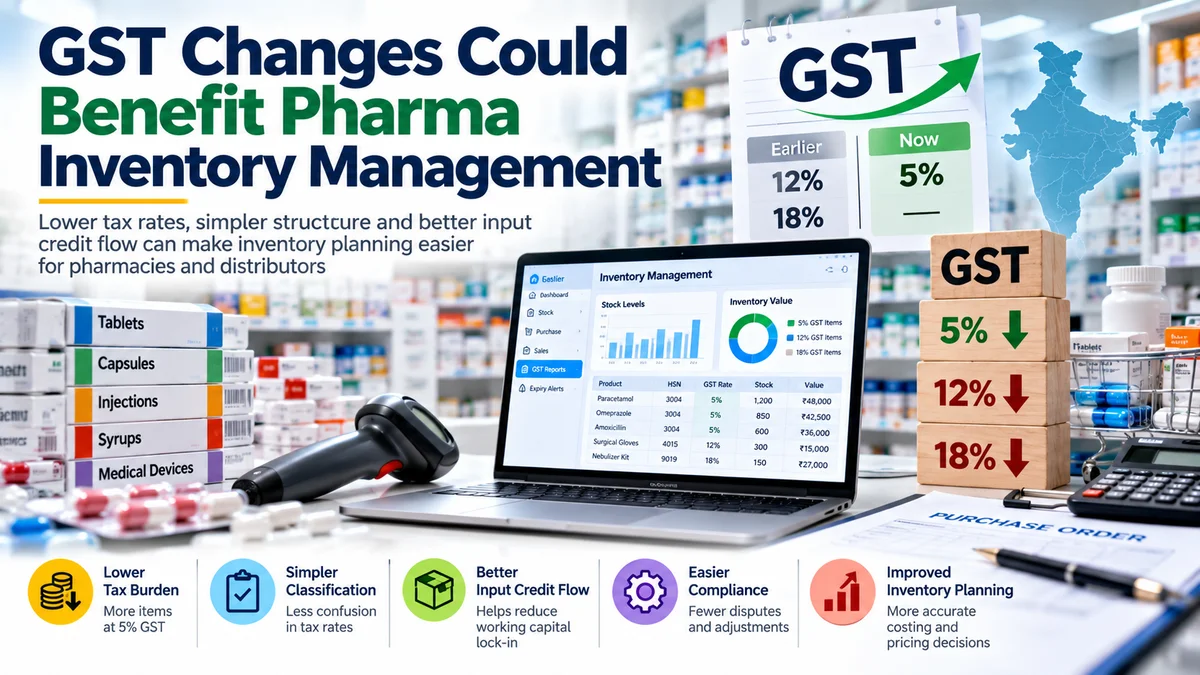
GST Changes Could Benefit Pharma Inventory Management: What Wholesalers and Retailers Need to Know