Biocon’s Perjeta Biosimilar Deal: A Legal Breakthrough, a Business Opportunity and a Bigger Question for Cancer Care
How the Pebrilzo–Genentech settlement could shape India’s biosimilar ambitions and the future of affordable oncology treatment

- What exactly has happened?
- Why is Pebrilzo important to the biosimilar market?
- The commercial opportunity is significant—but competition will matter
- What could this mean for patients?
- The Indian pharmaceutical industry should take note
- A perspective from the pharmaceutical trade
The pharmaceutical industry often celebrates a new drug when it is discovered, developed or approved. But sometimes, a major milestone comes from something less visible: a legal dispute being resolved, a patent barrier being addressed, and a clearer route to market emerging.
That is precisely why the latest development involving Biocon and Genentech deserves attention.
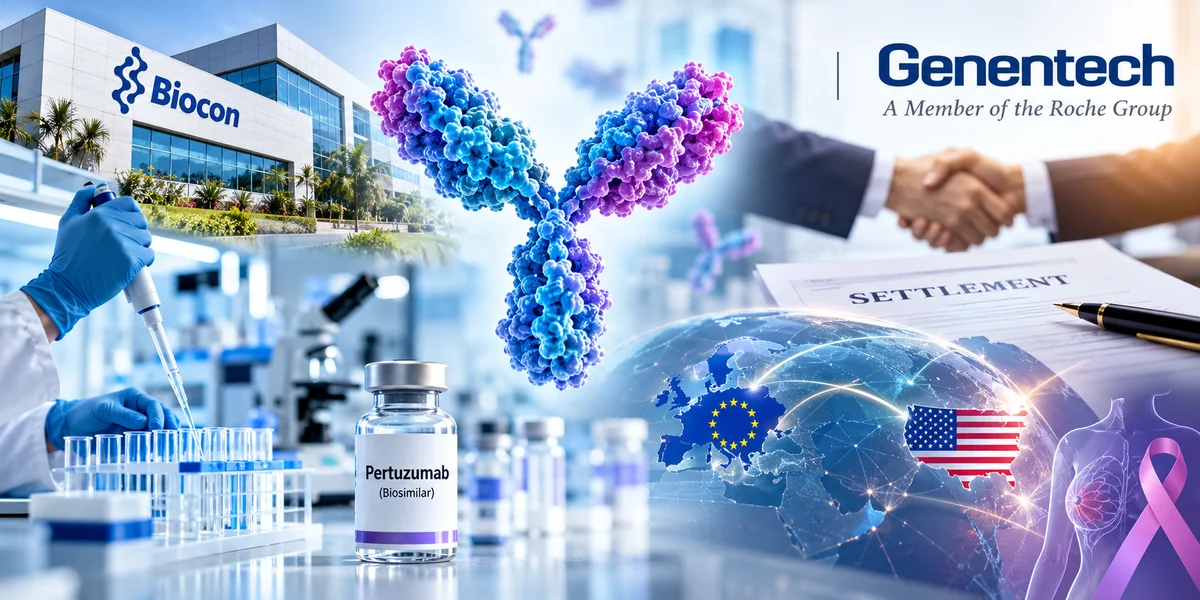
India’s Biocon has entered into a global patent settlement and licence agreement with Genentech, part of the Roche group, concerning Pebrilzo, its proposed biosimilar to Perjeta (pertuzumab), a biologic medicine used in the treatment of HER2-positive breast cancer.
Under the agreement, Biocon has secured launch timelines for Pebrilzo in the United Kingdom and European Union in the first quarter of 2027, and in the United States in the third quarter of 2028. Launches in other markets are planned during 2026–2028, with the possibility of earlier entry in certain circumstances. All launches remain subject to applicable regulatory approvals.
The financial and other commercial terms of the agreement have not been disclosed.
For Biocon, this is more than the resolution of a patent dispute. It is a step towards converting years of scientific investment into a clearer commercial opportunity. For the wider industry, it is a reminder that developing a medicine is only one part of bringing it to patients.
1. What exactly has happened?
To understand the significance of this agreement, we need to look beyond the headline.
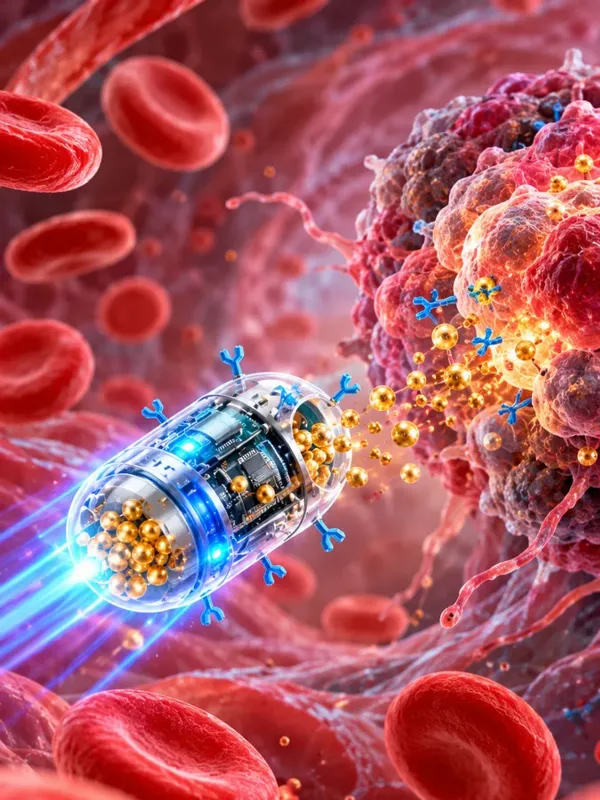
Perjeta is a reference biologic medicine containing pertuzumab, a monoclonal antibody used in HER2-positive breast cancer. It targets the HER2 receptor, which is associated with the growth of certain cancer cells.
Biocon has developed Pebrilzo as a biosimilar version of this medicine. Earlier in 2026, Genentech initiated patent litigation in the United States, alleging that the proposed biosimilar infringed its patents.
The settlement resolves the pending disputes between the two companies across multiple jurisdictions, including the United States and Canada. The US court dismissed the lawsuit at Genentech’s request following the settlement.
Importantly, this should not be interpreted as a court ruling that Genentech’s patent allegations were unfounded. The dispute has been settled, and the detailed terms remain confidential.
What matters commercially is that Biocon now has greater clarity on when it can seek to bring Pebrilzo to major international markets.
That clarity can help the company plan regulatory activities, manufacturing capacity, supply arrangements and commercial partnerships with greater confidence.
2. Why is Pebrilzo important to the biosimilar market?
There is a fundamental difference between a conventional generic medicine and a biosimilar.
A generic medicine generally contains the same active pharmaceutical ingredient as its reference medicine. Biologic medicines, on the other hand, are produced using living systems and have much more complex structures.
A biosimilar is developed to demonstrate high similarity to an already authorised reference biologic, with no clinically meaningful differences in safety, purity and potency under the applicable regulatory framework.
This complexity makes biosimilar development more demanding than simply reproducing a conventional small-molecule drug.
It requires sophisticated manufacturing capabilities, extensive analytical characterisation, appropriate clinical and regulatory evidence, and careful management of product quality throughout the supply chain.
In other words, biosimilars are not just a price-competition strategy; they are a test of a company’s scientific, manufacturing and regulatory capabilities.
Biocon’s Pebrilzo programme reflects the growing ambition of Indian pharmaceutical companies to compete in precisely this high-value segment.
3. The commercial opportunity is significant—but competition will matter
Perjeta has been a major product for Roche. According to reporting based on Roche’s financial disclosures, the medicine generated approximately CHF 2.97 billion in global sales in 2025.
That figure indicates the scale of the market associated with the reference medicine. It does not, however, represent the revenue available to Biocon.
The actual opportunity will depend on several factors:
The timing of regulatory approvals and market entry.
Pricing relative to the reference medicine and competing biosimilars.
Contracts with hospitals, healthcare systems and distributors.
Physician confidence and adoption by treatment centres.
The availability of competing treatment options, including alternative formulations.
Biocon is also entering a market where competition is already developing. Other manufacturers are advancing pertuzumab biosimilar products, while Roche’s Phesgo, a combination of pertuzumab and trastuzumab administered subcutaneously, provides a different treatment option.
Therefore, a settlement should be viewed as the removal of an important commercial uncertainty—not a guarantee of market dominance.
The next challenge is execution.
4. What could this mean for patients?
This is arguably the most important part of the story.
Cancer treatment can place an enormous financial burden on patients and their families. The cost of medicines is only one part of the overall expense, which can also include diagnostic tests, hospital visits, administration, monitoring and supportive care.
Biosimilars can contribute to greater affordability by introducing additional competition into markets previously dominated by expensive biologic therapies.
However, there is an important distinction between the possibility of lower prices and a demonstrated reduction in what patients actually pay.
Pebrilzo’s settlement does not establish its eventual price, its discount relative to Perjeta, or the amount that patients might save.
Those outcomes will depend on market-specific pricing, reimbursement arrangements, procurement contracts and the degree of competition after launch.
For patients, the real measure of success will not be the number of biosimilars developed or the size of the market they target. It will be whether suitable treatment becomes more accessible without compromising quality, safety or continuity of care.
5. The Indian pharmaceutical industry should take note
At PharmaNation, we believe this development deserves attention beyond the boardrooms of large biotechnology companies.
India has built a strong reputation in generic medicines, supplying affordable pharmaceutical products to domestic and international markets. That achievement remains important, but the next stage of growth will require deeper capabilities in biologics, complex formulations, advanced manufacturing and research-led product development.
Biosimilars offer a particularly interesting opportunity because they combine scientific complexity with the potential for meaningful competition in high-cost treatment categories.
Yet the business model is fundamentally different from that of a conventional generic medicine.
Companies need to commit substantial capital to development and manufacturing, navigate complex regulatory pathways, protect intellectual property, negotiate market-entry arrangements and establish credibility with healthcare providers.
A company may develop a promising biosimilar and still face years of commercial uncertainty before it can generate meaningful returns.
The Biocon–Genentech settlement illustrates why legal strategy and commercial planning must be considered alongside scientific development from the beginning.
For Indian manufacturers aspiring to enter global biologics markets, this is an important lesson: innovation creates potential, but the ability to navigate the entire route to market determines whether that potential can be realised.
6. A perspective from the pharmaceutical trade
Looking at this news from the perspective of the wider pharmaceutical trade, it is also worth understanding what it does—and does not—mean for distributors and pharmacies.
A global biosimilar launch does not automatically translate into immediate availability in Indian retail pharmacies. Each market has its own regulatory requirements, commercial arrangements, distribution channels and prescribing practices.
For wholesalers, stockists and pharmacy businesses, the more relevant questions will arise when specific products enter their markets:
Is the product authorised for sale in the country?
What are its approved indications, storage conditions and handling requirements?
Which hospitals, oncology centres or authorised distributors will procure it?
What are the applicable pricing, reimbursement and procurement arrangements?
What pharmacovigilance and traceability requirements apply?
Biologic medicines also demand particular attention to cold-chain management, product integrity and supply-chain documentation where required.
This is not an invitation to speculate on future prices or stock products prematurely. It is a reminder that the commercialisation of advanced medicines creates opportunities across the healthcare ecosystem, but those opportunities must be approached with regulatory discipline.
For smaller pharmaceutical businesses, following such developments can help build a better understanding of where the industry is heading—even when the immediate commercial impact is limited.
7. What happens next?
The next phase of this story will be determined by execution rather than headlines.
First, the relevant regulatory requirements must be satisfied in each market. Second, Biocon must prepare for commercial launch within the agreed timelines. Third, the company will need to compete on product quality, supply reliability, pricing and relationships with healthcare providers.
The scheduled launch windows provide greater clarity, but they should not be confused with a guarantee that the product will become available on a particular date in every market.
The competitive landscape will also continue to evolve. Existing therapies, other biosimilar entrants, hospital purchasing decisions and treatment preferences may all influence adoption.
Investors and industry observers should therefore distinguish between three separate milestones: resolving a legal dispute, obtaining the necessary regulatory permissions, and achieving commercial success. Each matters, but none automatically guarantees the next.
PharmaNation’s takeaway: The next pharmaceutical opportunity may be built in the laboratory, but it is won across the entire value chain
The Biocon–Genentech settlement offers a useful lesson for the Indian pharmaceutical industry.
Scientific research is essential, but research alone does not bring medicines to patients. Manufacturing quality, regulatory compliance, intellectual property strategy, market access and dependable distribution all contribute to the final outcome.
For Biocon, the agreement creates a clearer path towards the planned international commercialisation of Pebrilzo. For the biosimilar industry, it reinforces the importance of building capabilities that extend well beyond conventional generic manufacturing.
And for patients, the ultimate question remains whether competition can translate into more accessible treatment.
That is the standard by which developments like this should eventually be judged.
Our view at PharmaNation: India’s pharmaceutical future will not be defined solely by how many medicines it can manufacture cheaply. It will also depend on how effectively Indian companies can develop complex therapies, navigate global markets and help make high-quality treatment more accessible.
The Pebrilzo story is still unfolding. The settlement is an important step—but the more consequential chapter will be written when regulatory readiness, commercial execution and patient access come together.
Sources and further reading
Biocon — Official announcement on the global settlement and Pebrilzo launch timelines
Reuters — Biocon settles Roche’s US patent lawsuit over proposed breast-cancer drug biosimilar
Business Standard — Biocon clears patent hurdle for breast cancer biosimilar Pebrilzo
Editorial note: This article is for pharmaceutical industry news and educational purposes. Launch dates and availability remain subject to applicable regulatory approvals. It does not constitute medical or investment advice.
Esskay bhayana, being a registered pharmacist & having more than 30+ years of experience, covers news and latest innovations in the pharmaceutical industry.
More from this section

Cancer Medicine Prices in India: Will the 30% Trade-Margin Cap Bring Relief to Patients?
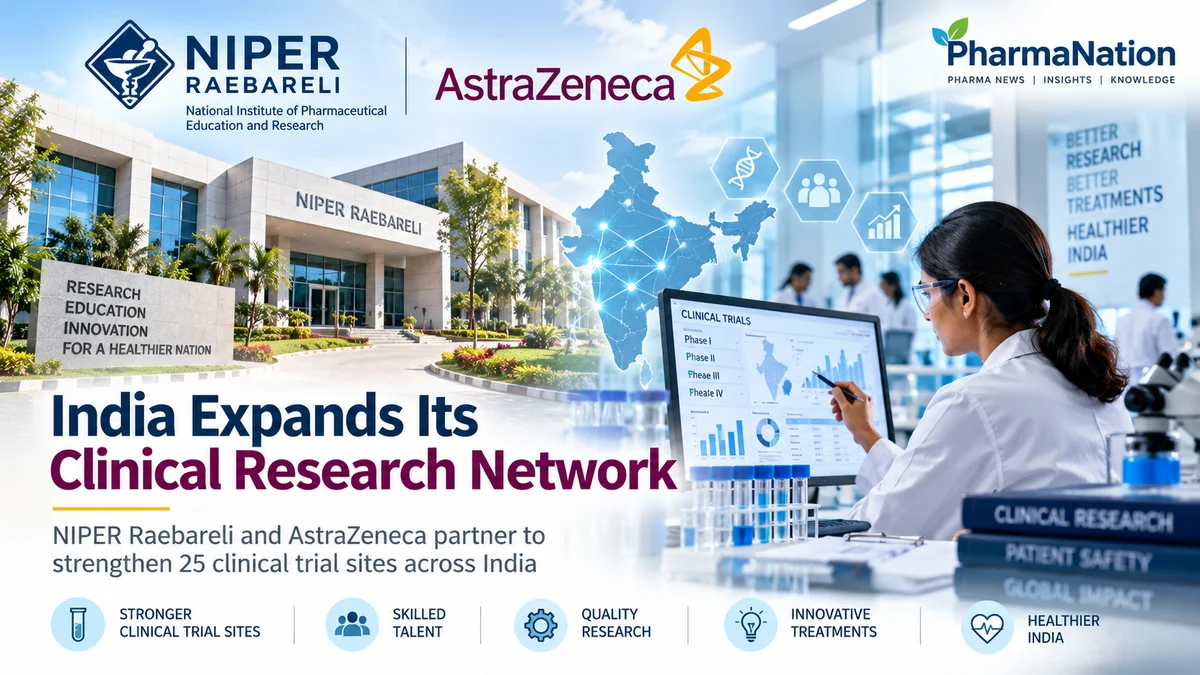
India’s Clinical Research Revolution: NIPER Raebareli and AstraZeneca Join Hands to Strengthen 25 Clinical Trial Sites
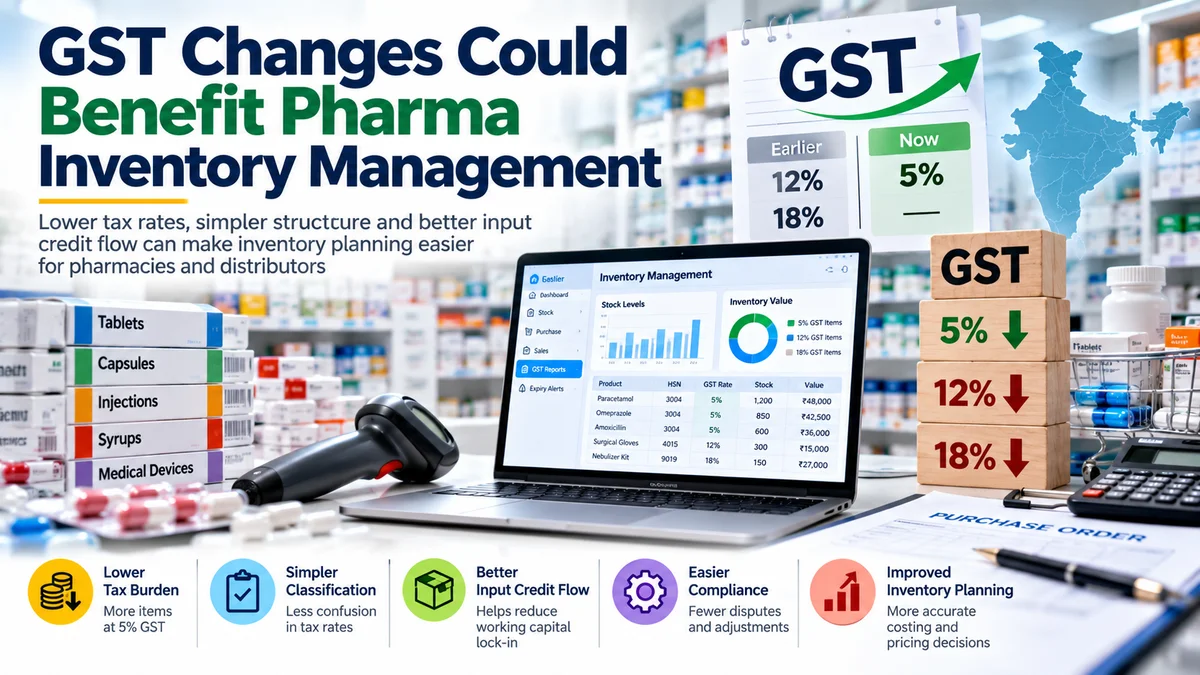
GST Changes Could Benefit Pharma Inventory Management: What Wholesalers and Retailers Need to Know